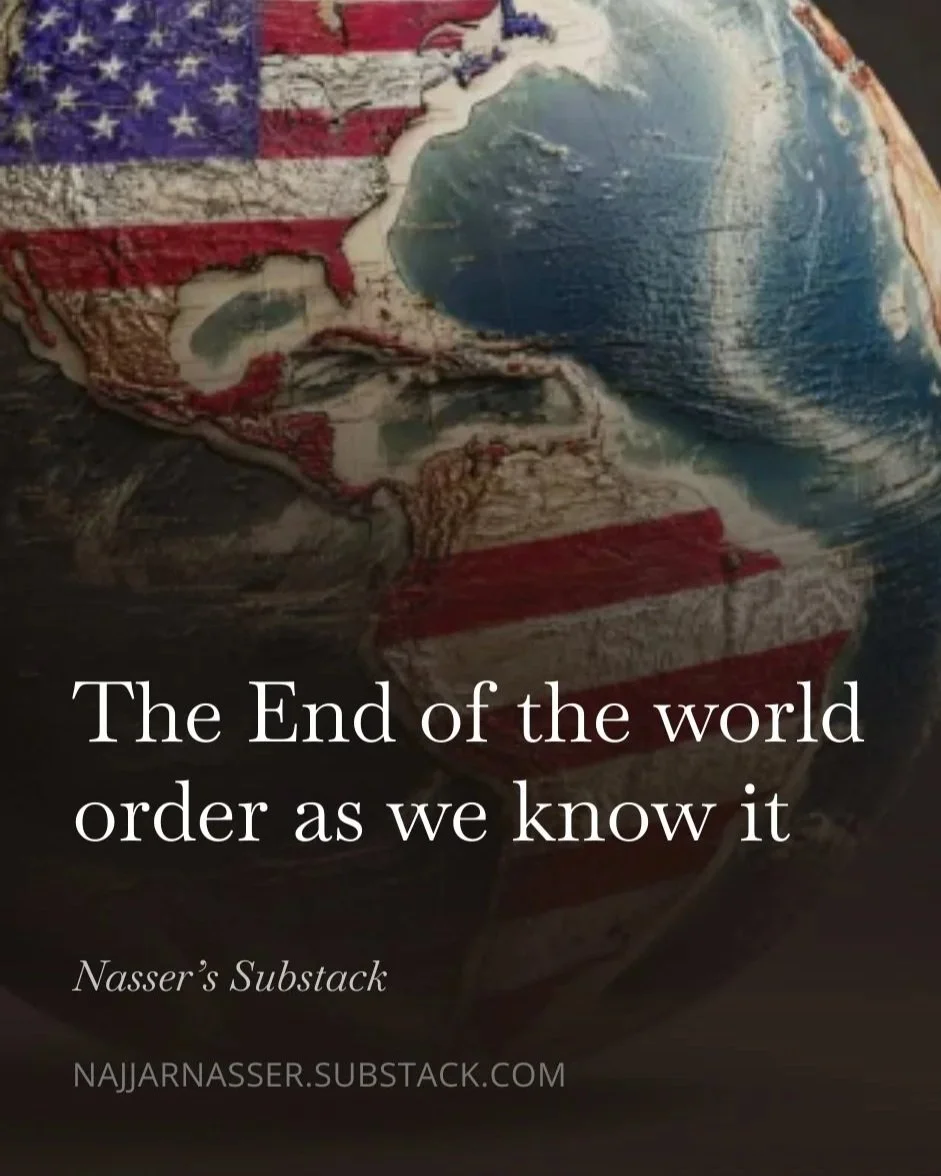
The End of the world order as we know it
Liberalism and the rule of international law had a good run, but we have re-entered an imperial order, this time with different players.
In the past, European nations were the masters of colonialism. The French, Spanish, Portuguese, German, and Dutch sought resources from other parts of the world. The United Kingdom, however, pursued colonialism not only for resources but also to settle new territories and replace indigenous populations, as it did in North America, Australia, and New Zealand.
The Monroe Doctrine, proclaimed by President James Monroe in 1823, declared that any intervention in the political affairs of the Americas by foreign powers would be considered a hostile act toward the United States.
Yes, the Monroe Doctrine was a strategic plan and a step for the U.S. toward becoming a new world power. While the doctrine would have an impact on Latin American countries, it also had a partially moral dimension.
Having emerged as a new democracy from revolution, the United States saw its liberal ideology as a model to spread, with the goal of freeing the Americas from the old European imperial order.
The post-WWII collapse of the traditional imperial order ushered in a 70-year ideological battle between USSR communism and American liberalism.
After becoming the sole global superpower in 1991, the United States sought to spread democracy in Europe via trade and economic engagement. This approach, however, failed when applied by force in the Middle East.
Harvard University estimates the U.S. spent $8 trillion on two wars. These wars resulted in over 1.5 million local deaths, damaged the U.S. reputation as a liberal republic, and created space for other powers—namely Russia, China, and to some extent India—to grow stronger and more prosperous.
Without our noticing, we entered a world where the United States—with its massive military, crippled democracy, legally corrupted system of political campaign finance, and damaged economy—turned against its own liberal values and the very international organizations it established to make the world safer and more civilized.
Under Donald Trump—a president charged with several crimes and frequently named in the Epstein files—we are witnessing actions to end the rules-based order. These are the first steps of an American empire beginning in Venezuela, Cuba, and Greenland, with who knows what more to come.
Ultimately, power comes first—narratives, justifications, and international law are all bent to its will. Welcome to 2026.
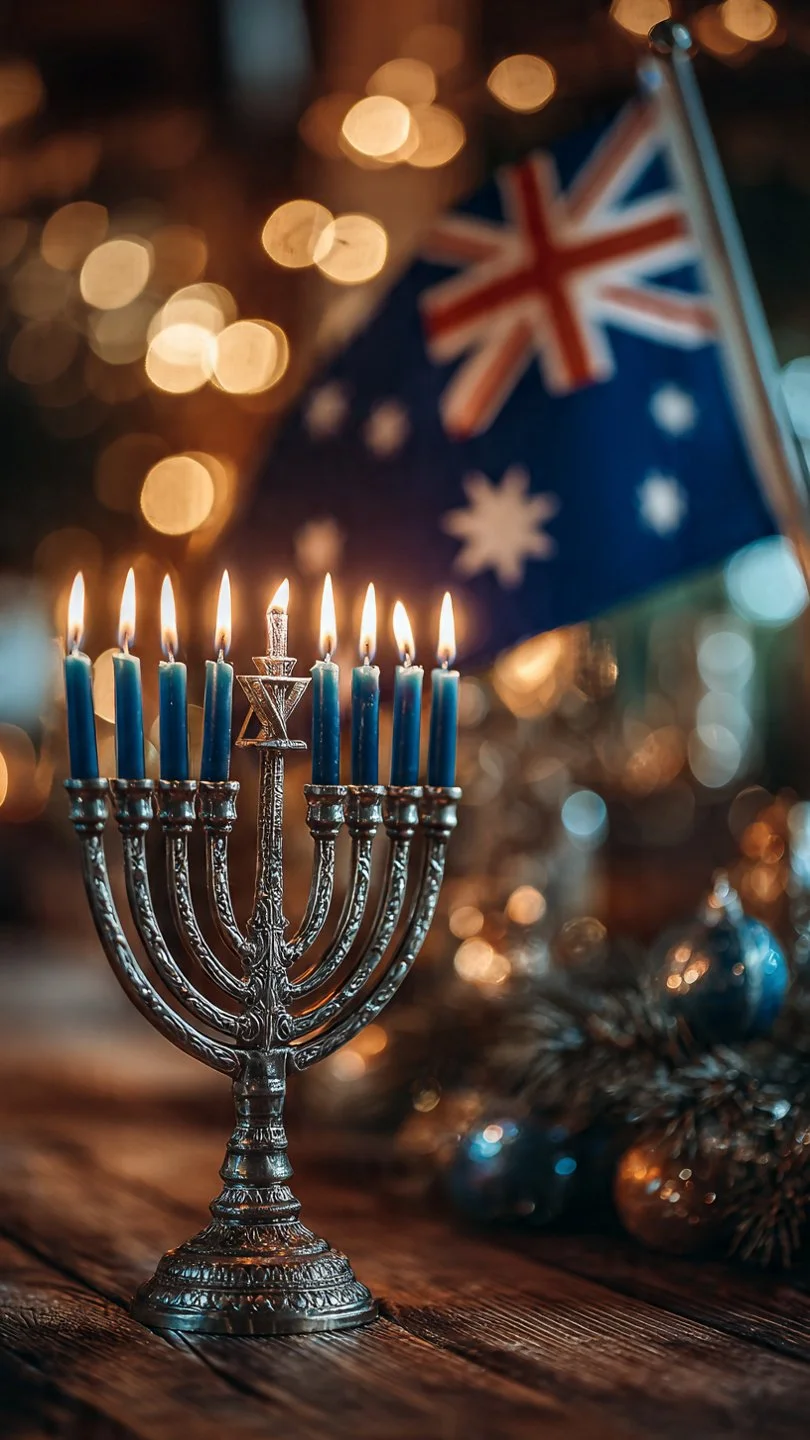
Not in the name of Gaza
There are many reasons why I condemn the massacre that took place at Bondi Beach.
As someone who has lived under occupation, oppression, and state violence, I find it natural to condemn attacks on civilians, regardless of their religion, political affiliation, or race.
This attack damages the Palestinian cause, tarnishes the reputation of Muslims, and undermines our contributions to the liberal societies we call home.
I understand the trauma that the genocide in Gaza has inflicted on each of our souls and hearts, but that’s not the way to end the apartheid regime; that’s not the way to end the occupation. Our cause is a noble one, and in order for us to succeed, we must pursue civil avenues: courts, art, political pressure, lobbying, and civil resistance.
The responsibility lies fully with those individuals who committed this barbaric act.
I reject the cheap exploitation of people's tragedies for political points. No one exemplifies this more than Israeli Prime Minister Benjamin Netanyahu, who wasted no time in attacking the Australian government.
Netanyahu wants Western governments to treat their citizens the way Arab regimes treat theirs. He expects the liberal world to censor and silence its citizens and prevent them from protesting for the sake of Israel.
It must be clear: just as Saudi Arabia doesn’t represent all Muslims, nor does the Vatican/Italy represent all Christians, the apartheid state of Israel doesn’t represent all Jews.
ISIS cowardly attacked civilians who were celebrating a religious holiday, whereas Israeli soldiers are deployed across occupied territories in Gaza, the West Bank, East Jerusalem, Southern Lebanon, and southern Syria.
It should be noted that this state, which was not targeted by ISIS, was itself actively providing aid to various military groups in Syria during the civil war..
Lastly, for two years, my Jewish brothers and sisters have stood by our side, putting everything they have at risk and shouting for over two years, “This genocide is not in our name.” I salute them and respond, “Not in my name, and not in the name of Gaza.”
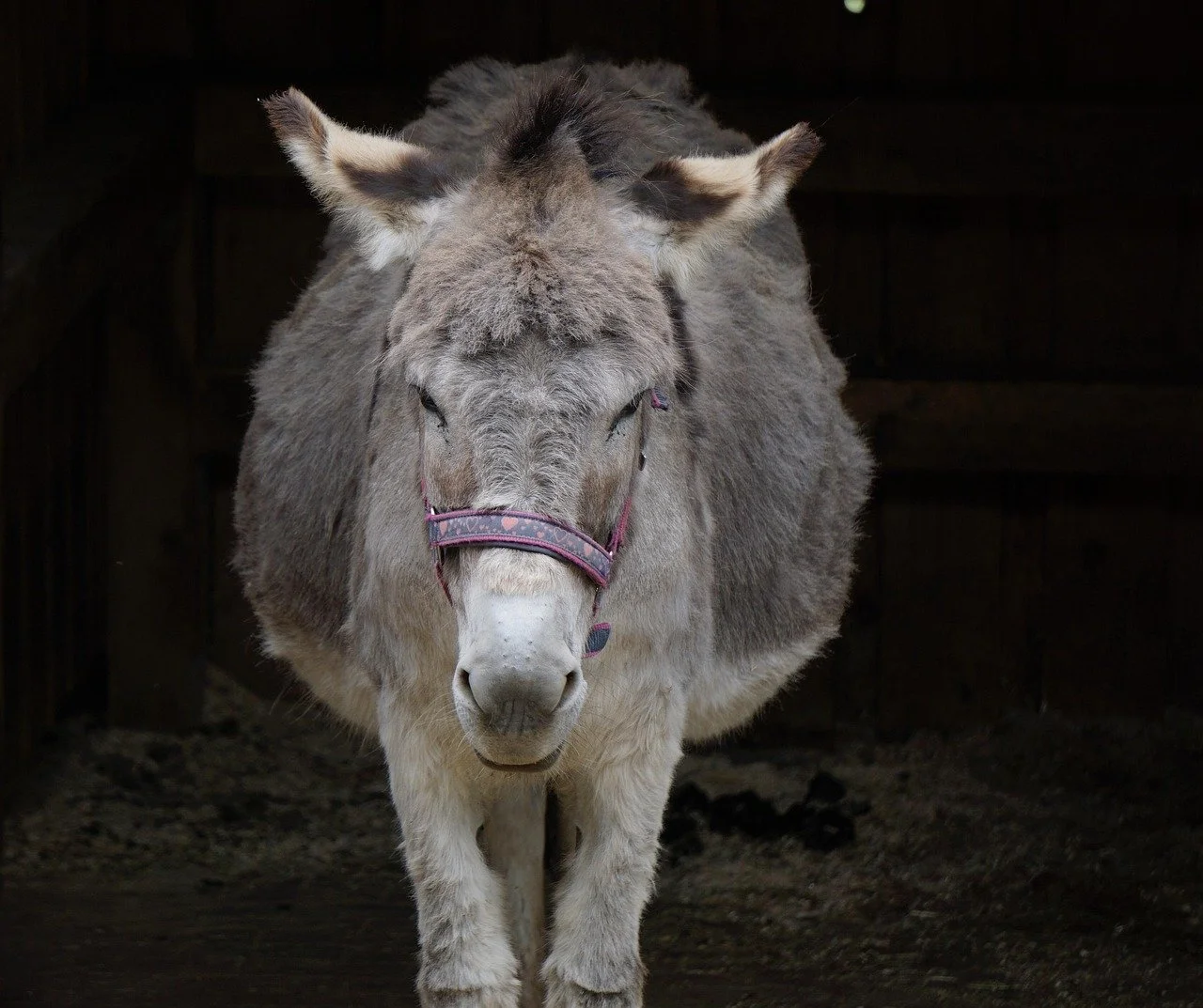
Germany evacuated eight donkeys from Gaza while rejecting the treatment of Palestinian children.
As a humanitarian gesture, the Germans shone a light in the dark ocean of need in Gaza by evacuating eight donkeys and providing them with medical and psychological care.
Let's focus here on the heroes, the donkeys.
Before the genocide, donkeys, horses, and mules were essential in Gaza for economic purposes—mainly for farming, but also for transporting crops and goods across the countryside. During festivals, Palestinians would dress them up, and children would take photos with them.
I can't imagine how many more Palestinians would have died during and after the genocide in Gaza if the donkeys hadn't been there.
I understand that the donkeys were starving, just like my people, and were terrified and traumatized by the explosions and gunfire. But consider this: what would have happened if a pregnant woman in labor couldn't find a cart to transport her to a supposedly safe hospital in the middle of the night, under bombardment?
They became the primary method of transportation. They moved the elderly and children. In many cases, they acted as ambulances for the injured. Journalists rode them to cover stories. Aid workers loaded supplies onto them, and Civil defense units used their carts to clear rubble.
It was not the Gazans who put the donkeys in this situation. The Israeli state decides when and if Gazans and donkeys can eat, drink, move, or live without being bombed.
According to UN data from August 2024, by that time, 43% of all working animals in the region had already been killed or had died from wounds and disease in the year since the war began. At that time, the number of surviving donkeys, horses, and mules in Gaza was estimated at 2,627. It is clear that, due to the ongoing fighting and the continuing blockade, the number of these animals has fallen even further.
The animals also suffered from treatable illnesses because Israel banned the import of medical equipment. However, another factor is at play: donkeys are also being evacuated—or, as Palestinians describe it, stolen—and transferred to shelters in Europe.
The Israeli authorities have gone to great lengths to destroy the emergency medical services and civil defense in Gaza, including by targeting 140 ambulances, according to WHO,” and 54 rescue vehicles, and blocking the entry of fuel. As a result, Palestinians have had to rely on donkey-drawn carts as a primary alternative to ambulances. This reliance explains Israel's subsequent campaign to eliminate these animals from Gaza.
And that’s where Germany decided to show its humanitarian side….
During roughly the same period, the German federal government rejected a request to bring 20 injured Palestinian children to Germany for treatment, citing the “complexity” of the situation and administrative challenges.
History will be exhausted from judging the German government's actions.
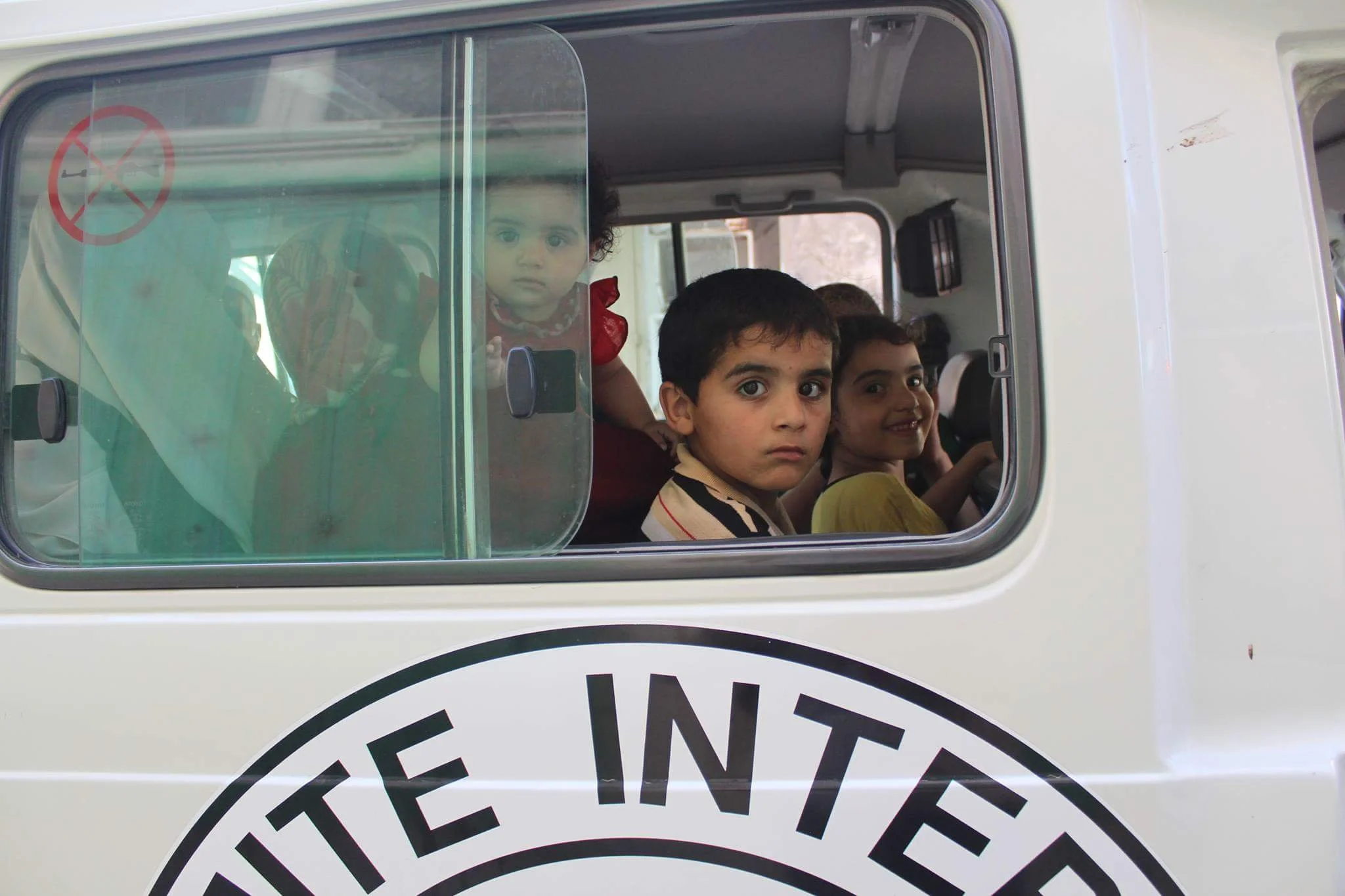
We must continue…
When the genocide took place, I didn't stop talking about Gaza, protesting, lobbying, and making speeches. The thing I wanted to do the most—the thing I couldn’t do—was write. I suppose it was a mix of caring for my newborn baby (born just three months before the genocide), working overtime to cover my family’s evacuation and war expenses, and, finally, the shock of the Israeli crimes against my family, community, and people.
Some think the end of the intensive bombing means the end of suffering in Gaza. My mission is to keep on speaking, keep on lobbying, and start writing on behalf of my people back home, especially now that the war has ended.
Gaza has reverberated across the globe, changing public opinion, reshaping politics, forcing us to march in the streets, and compelling us to understand international law, courts, and the realities of the Israeli occupation.
It has laid bare the compassion of everyday people demanding a free Palestine and the complicity of politicians enabling genocide.
This is a duty for the few of us who managed to escape that prison. It is our duty never to forget our martyrs and to pursue our oppressors; it is our duty to amplify the voices of those we left behind to suffer in the dungeons of the Israeli apartheid system; it is our duty to advocate for human rights and spread liberalism worldwide. That is why our fight will continue here—in our town halls, in the media, in courts, and in the streets.
In the years to come, I have made it my life's mission to meet with MPs and officials, write on my blog, submit articles and clips to journalists at various media outlets, and give speeches and plan events that speak to our suffering and culture.
While they say writers write for their peers, I have been fortunate to build a network that includes journalists, academics, NGO professionals, and researchers at think tanks. Therefore, I will use this platform and others to reach out to them.
Almost everyone in the media is speaking about Israel and Palestine, but few are giving us "Gazans" a platform to speak. I hope my writing and activism will shape public thinking about Gaza and Western politics from our perspective.
Some of my articles will express gratitude for those who stood with my people, highlighting their heroic role during this genocide. I will also write to expose the public figures who enabled this massacre.
Finally, I know I'm but one person, but I would like to play a role in the invincible liberation of my people and in rescuing humanity from Zionism. And although my center piece is Gaza, my commitment is to advocate for all social justice causes, understanding that our liberation is interconnected.